
How Psychology Courses Are Changing with AI, Big Data and Neuroscience


Psychology has always evolved alongside science. Every generation adds new insights, new theories and new ways of understanding the mind. But right now, the field is going through one of the most significant shifts in its history. Artificial intelligence, big data and modern neuroscience are transforming not only how we study the brain, but how we learn about it.
What used to be covered in textbooks is now supported by real-time imaging, huge global datasets, predictive models and AI-driven analysis. Psychology courses are beginning to reflect this new landscape, blending traditional theory with cutting-edge discoveries that were impossible just a decade ago.
For learners, this means psychology is more exciting, more dynamic and more relevant than ever. It is no longer simply about understanding behaviour; it’s about understanding the systems, patterns and biological foundations that drive it. The future of psychology belongs to those who are open to both the human and the technological sides of the discipline.
The New Shape of Psychology Education
Modern psychology courses are shifting away from purely academic discussions and toward a much richer combination of science, data and practical application. The aim is no longer just to understand the mind in theory, but to explore it through evidence, measurable patterns and emerging technologies.
AI tools are now helping researchers analyse behaviour at a scale that was once unimaginable. Neuroscience is revealing how emotion, memory and decision-making work at the neural level. And big data is uncovering patterns in mental health across entire populations.
Courses that once focused on limited case studies now draw on thousands of real-world examples, cross-cultural datasets and brain-based research. Learners get a broader and more accurate picture of human behaviour, grounded in both science and lived experience.
AI and the Expansion of Psychological Insight
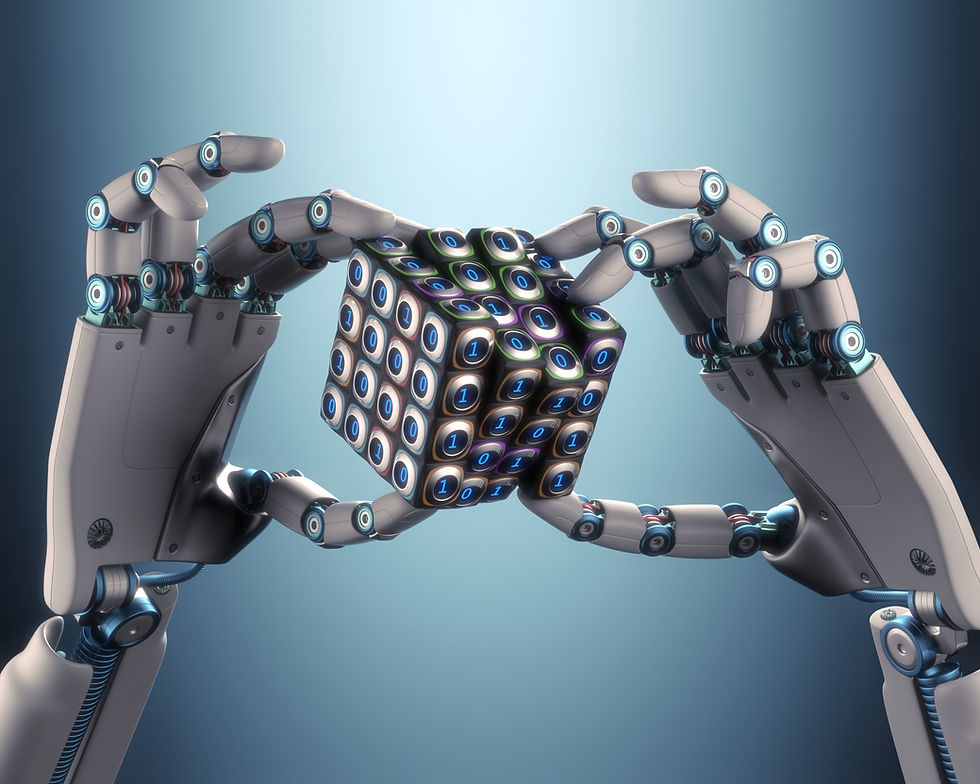
Artificial intelligence is not replacing psychologists but it is expanding what psychologists can understand. AI can detect patterns that humans would never spot alone. It can analyse speech, text, behaviour, social patterns and even micro-expressions to help researchers understand how people think and feel.
For students, this opens up a new world of learning. Instead of memorising theories, they learn how psychological principles apply to real digital behaviour. They see how emotional patterns appear in communication, how stress emerges in language, how cognitive biases show up in online decisions.
AI is also reshaping therapeutic research. For example, digital mental health platforms collect anonymised data that helps psychologists evaluate how different interventions work across large groups of people. This helps learners understand what treatment looks like not just in theory, but in the complexity of real life.
Big Data and the Psychology of Patterns
Big data has become a powerful tool for understanding mental health trends. Researchers can now examine thousands, sometimes millions of data points related to mood, behaviour, stress, relationships and healthcare outcomes.
Here’s where a simple list reveals what big data brings to psychology education:
Early detection patterns of anxiety and depression
Large-scale studies of sleep, lifestyle and wellbeing
Social behaviour tracking across different cultures
More accurate understanding of risk factors
Improved mapping of emotional responses
Data-driven insights into long-term mental health trends
Students benefit from learning how these patterns inform the future of therapy, policy, wellbeing programmes and community support. Big data doesn’t replace human understanding, it strengthens it.
Neuroscience and the Biological Foundation of Learning
If AI and big data show us large-scale patterns, neuroscience brings us down to the smallest details. Modern psychology education increasingly explores the biological roots of behaviour. Students learn about neural pathways, hormones, memory circuits and the physical architecture of emotion.
Neuroscience has made it possible to see:
The exact pathways involved in fear
How habits form at the neural level
Why trauma leaves long-lasting traces
How the brain rewires itself during therapy
The relationship between attention and brain chemistry
Courses are beginning to merge psychology with neuroscience in ways that help learners understand the mind not just conceptually, but physically. This gives future counsellors, coaches, educators and support workers a far deeper foundation for their work.
Why This Matters for Modern Learners
The combination of AI, data and neuroscience is reshaping how psychology is taught and how it is used in professional settings. Students who understand these developments are better prepared for careers that require insight into human behaviour in a world shaped by technology.
It matters because:
• mental health care is becoming more evidence-based
• employers value people who understand both people and systems
• AI-driven workplaces need human insight more than ever
• the future of therapy will blend traditional skills with digital understanding
• psychological literacy is becoming essential, not optional
Those who study psychology today are entering a field at the centre of major global change.
How Online Courses Reflect These Trends
Online psychology courses are often the quickest to adapt because they are built around flexible, modern learning models. Many now incorporate interactive learning, case scenarios, real-world examples, and up-to-date science pulled directly from current research.
Learners benefit from:
• video-based explanations of complex topics
• real case examples rooted in neuroscience
• updated content that evolves with new discoveries
• access to global psychological perspectives
• self-paced learning supported by technology
Education is finally catching up with the speed of scientific discovery.
FAQs
Is AI going to replace psychologists?
No. AI can analyse patterns, but human connection, empathy and therapeutic skill cannot be automated. Technology supports psychologists, it doesn’t replace them.
Do I need a science background to study modern psychology?
Not at all. Good courses explain neuroscience and data concepts in simple, human language that anyone can learn.
Are psychology courses becoming more difficult because of this shift?
Not harder, just richer. The aim is to make learning clearer and more grounded, not more complicated.
Will these trends affect future job opportunities?
Yes. Employers increasingly value psychological insight and data-informed understanding of human behaviour, especially in education, management, healthcare, HR and digital industries.
A New Beginning
If you’re curious about where psychology is heading and you want to learn in a way that reflects the world we actually live in; exploring a course is a meaningful first step. You don’t need to be a scientist or a seasoned student. You simply need curiosity and a willingness to learn. The next decade of psychology will be shaped by those who embrace both the human mind and the technology that helps us understand it.


Comments